

- A reference table refers to tables that are joined to another table.
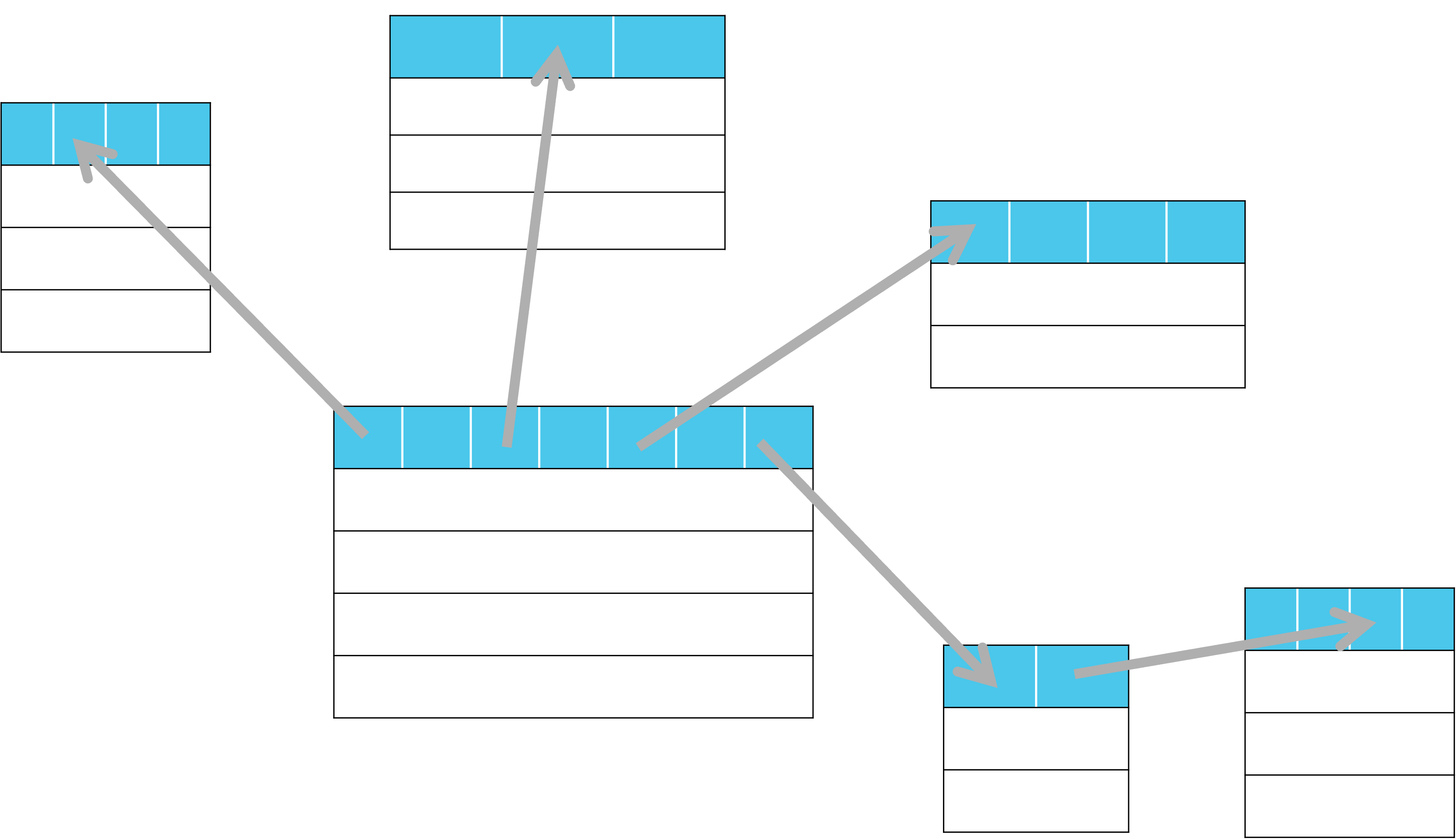
Tables are joined to create a star schema.
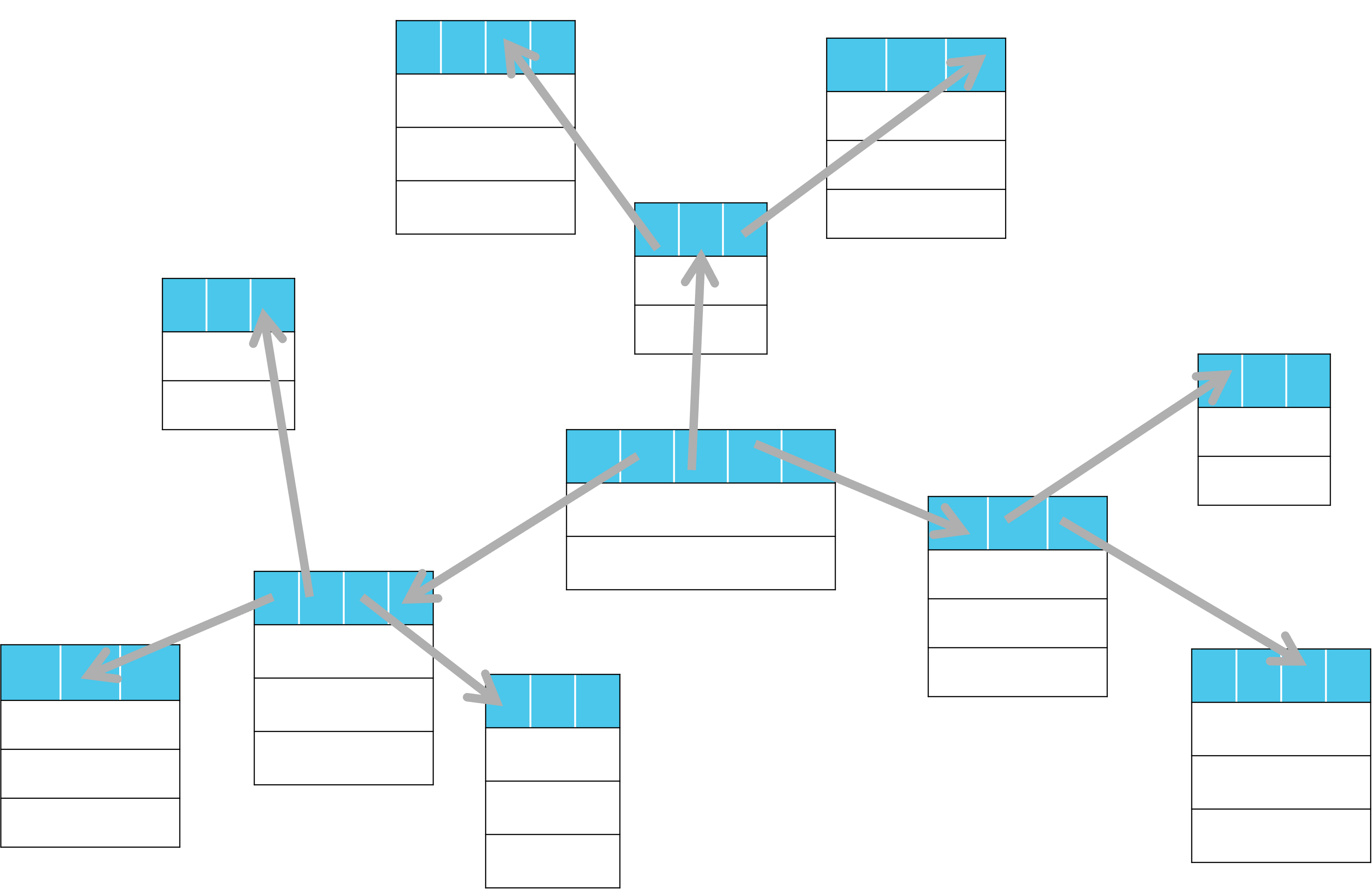
A snowflake schema contains a single fact table and other tables.
How are tables joined to form a schema?
A reference table can link to other tables. For example:- The fact table contains trade records with a
customer_namefield. There is only one fact table for each cube on the database schema. - A reference table maps
customer_countytocountry_name.
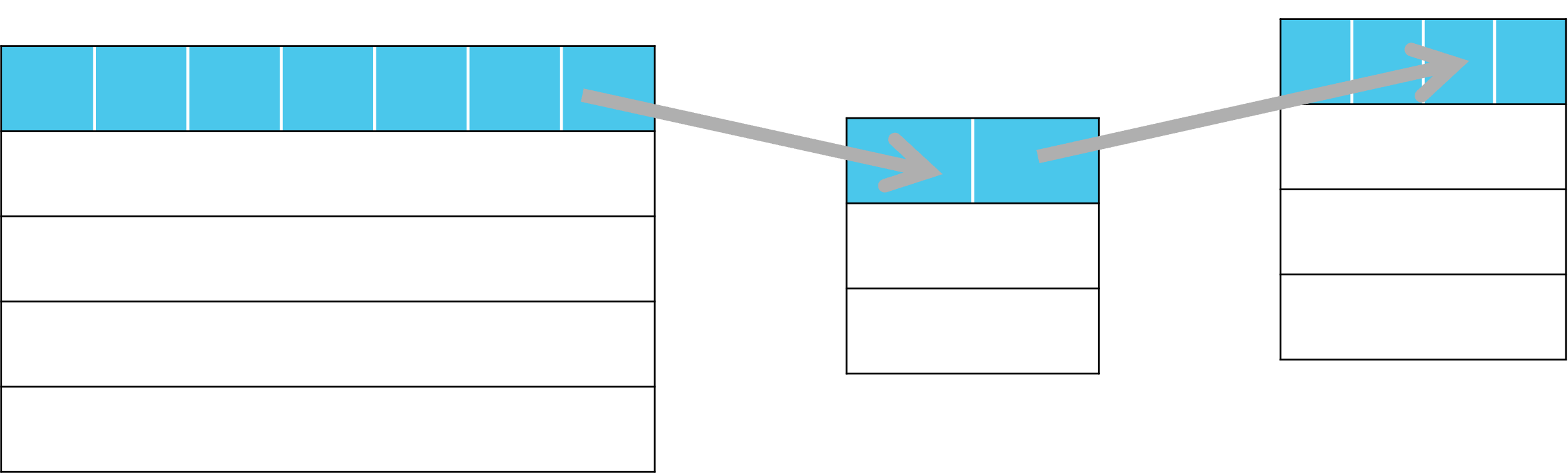
A reference table is joined to another reference table.
- The fact table contains trade records with
sellerandbuyerfields. - The fields
sellerandbuyermap to the key in a table for party records.
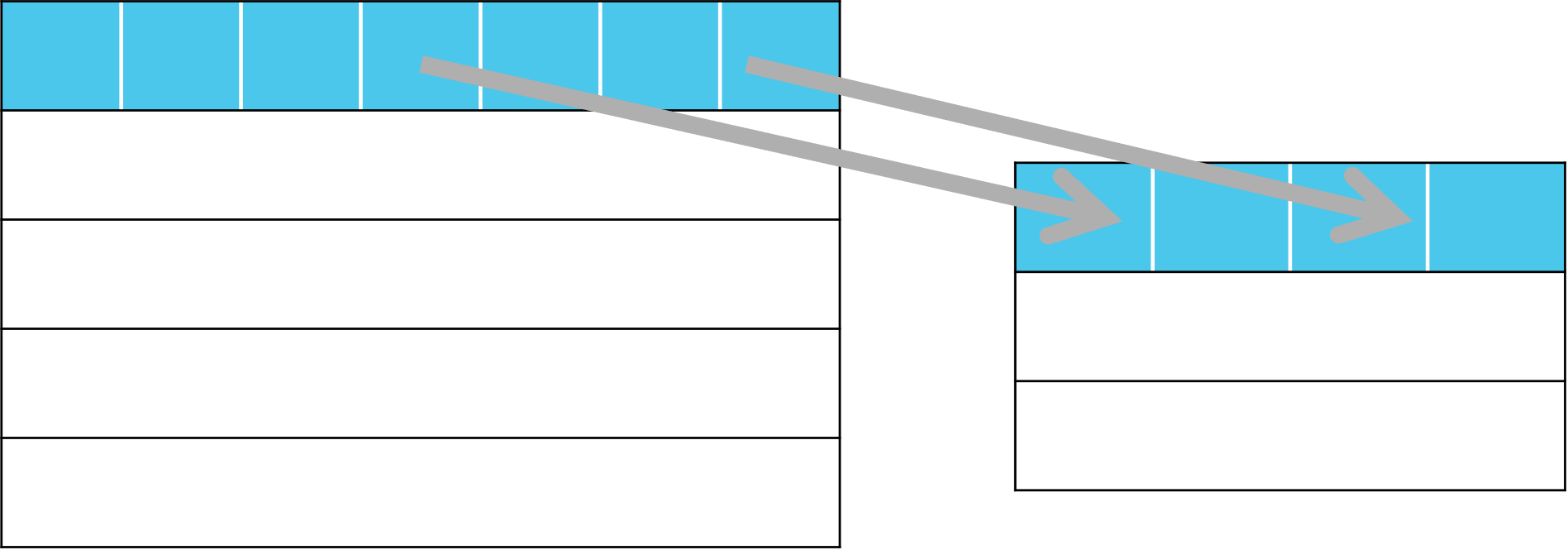
More than one record from the owner table points to one record in the target table.
Related reading
Find out more about table joins:Are all tables joined to the schema?
Isolated tables are part of the datastore but are not joined to the fact table. They are look-up tables that enrich data. Find out more about store look-up measures. Isolated tables are useful for:- Lookup and reference data: Store external values such as currency conversion rates or other market data.
- Supporting calculations: Provide values that support the calculation of measures. These values can be market reference data or other computed values stored in the isolated table.
- Display purposes: Help format or translate values for better readability.
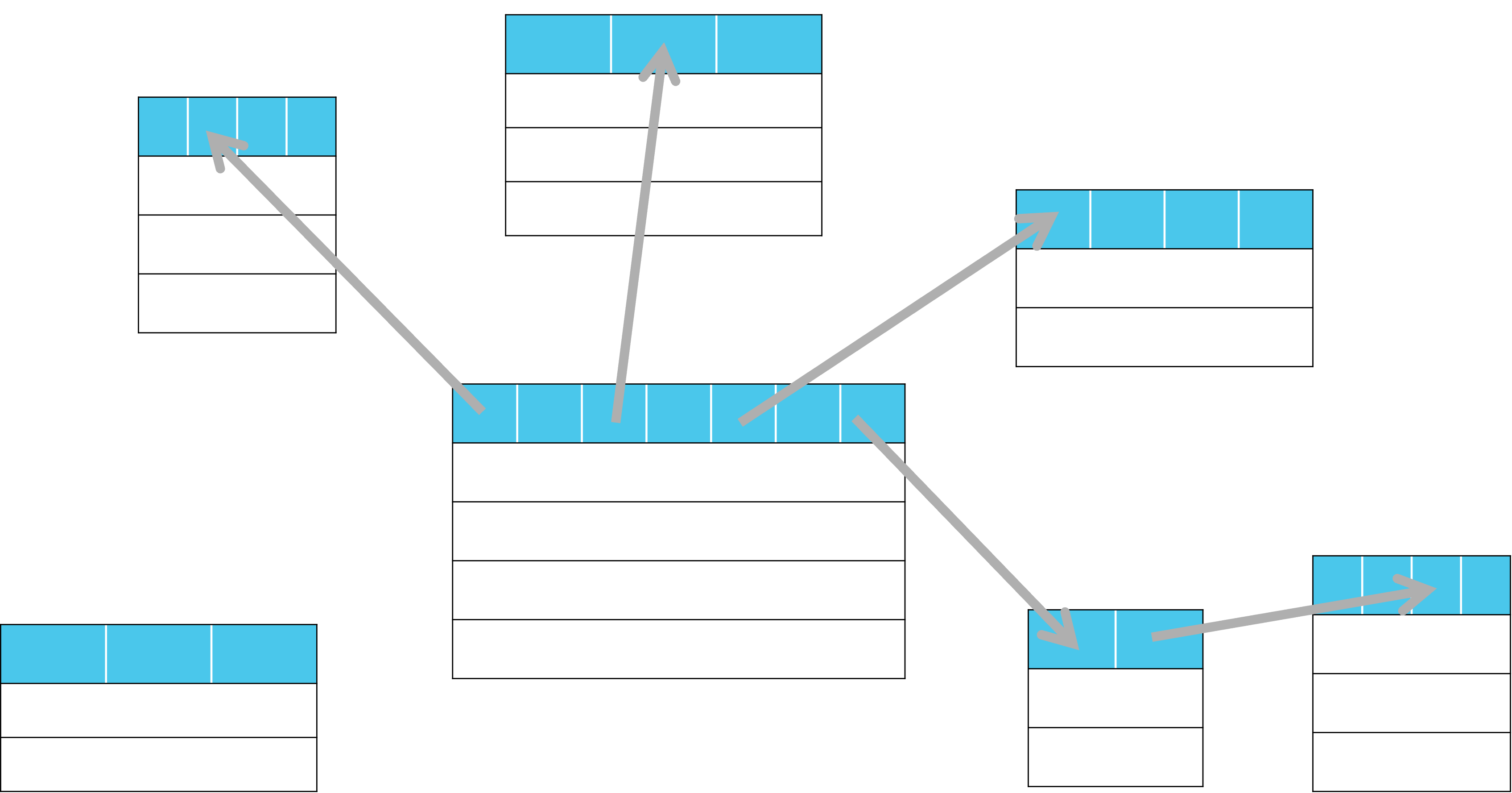
Isolated tables are not joined to the fact table.
Related reading
Find out more about isolated tables:What kinds of fields are supported by Atoti?
Atoti supports a wide range of field types:- Numerical (native) types:
int,double,float
Typically used as measures and aggregated by Atoti. - Strings
Used as classifiers, table levels, and filters. - Dates and times
Enable Atoti to interpret and filter by date ranges. - Vectors Useful for financial analytics like Value at Risk (VaR).
Atoti is optimized for storing and aggregating vector-based data structures efficiently. - Objects Custom objects can be stored.